Varanasi Ganga Aarti Guide
Varanasi Ganga Aarti Guide : Best Ghats, Timings, Tips & Boat View Experience
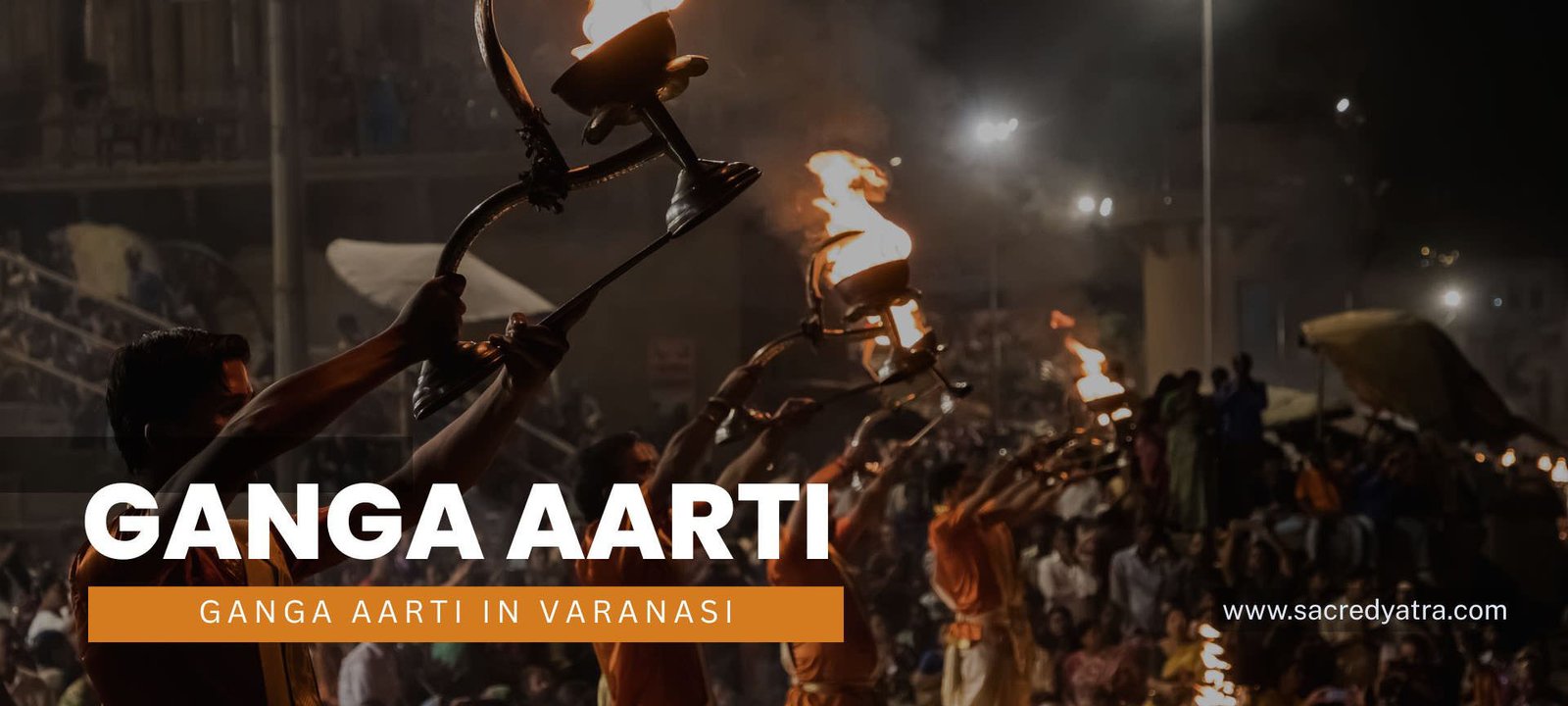
Ganga Aarti at Varanasi is among the most unique ceremonies in India. It is a practice of group worship involving priests and local worshippers, where chanted prayers are held at the riverfront, accompanied by lamps, incense, and music. To visitors and devotees, it is a holy visual and auditory experience: rows of lamps, chanting in rhythm, ringing bells, and a gives a profound sense of devotion. If you intend to visit the Aarti, this guide will help you choose the ghats you want to be at to witness it. The right spots can make the experience simply spiritually enriching.
What is the Ganga Aarti About?
Ganga Aarti is a religious ceremony in honor of the River Ganges, and is conducted to honor the river and to request good fortune from Goddess Ganga. It is conducted by designated priests who swing huge lamps made of brass in choreographed movement, singing mantras and ringing bells. The Aarti is performed daily from morning to night and is presented at some of the significant ghats in the city. Although the essential design of the ritual is identical in various ghats, each of these places possesses its own unique style, size, and customary practices.
Best Ghats in Kashi to Watch the Famous Ganga Aarti
Varanasi offers several places where one can witness the evening Ganga Aarti, and each ghat is unique in its atmosphere and style. Some events may occur on a large scale and attract a vast audience, while others are more community-oriented and smaller in scale. Many visitors prefer to watch the ritual by the river, which provides an extensive and clear view.
The following are the main ghats where the Aarti is performed, select the ghats which suits you best
Dashashwamedh Ghat
The most famous and the busiest place to attend the evening Ganga Aarti is Dashashwamedh Ghat. It is located in the center of the old town and is readily accessible, with thousands of people coming to it each night. The ceremony that takes place here is the biggest, as ritualistic as possible. The ritual begins shortly after sunset and typically lasts 45 minutes, although the duration varies depending on the season. Due to its conventional arrangements, this ghat is regarded as the ideal option for first-time visitors who wish to experience the traditional and famous Ganga Aarti of Varanasi.
Assi Ghat
The alternative to Dashashwamedh is Assi Ghat, which is a more peaceful option. It particularly has a morning ceremony, Subah-e-Banaras. The evening Aarti here is smaller, community based and in most instances it is attended by local students, musicians and yoga practitioners. This makes the ceremony homier and closer in contrast with the official form of Dashashwamedh. Tourists who want a more relaxed experience or those who are unwilling to deal with a huge crowd usually go to Assi Ghat to attend the evening ritual.
Boat View from the River
A boat trip on the river to witness the Ganga Aarti has been one of the most recommended ways to experience the ceremony. The visitors have a panoramic and clear view of the whole ritual, the priests, the lamps, and the bright backdrop that glows with lights, which are lit by the water. This point of view removes the congestion that takes place on the steps and allows the audience to enjoy the ceremony from a comfortable distance. The boats depart from Assi/ Dashashwamedh Ghat and take off 30-45 minutes prior to the ceremony in order to get a good position on the river. Advance booking is also recommended in seasons with increased business to ensure its availability.
Namo Ghat and Other Newer Ghats
Varanasi has increased the Aarti ceremony at the newer ghats in recent years to alleviate the pressure of large crowds at the old ghats. Modern design and an open space have given Namo Ghat a start where people can view evening Aarti rituals and have drawn both locals and tourists. Namo Ghat is better equipped and has a cleaner environment and free movement, hence making it an appropriate choice when one wants to experience a less crowded and comfortable view. This also indicates the current attempts of the city to enhance the access of visitors and evenly spread the gatherings along the riverfront.
Ganga Aarti Timings
The timing of the evening Ganga Aarti normally starts immediately after sunset. The time of sunset changes with the seasons, and hence the time of the Aarti commences varies accordingly, at about 6:00 PM during winter and a little later, at about 7:00 PM during summer, at the most popular ghats. An average performance takes 30-60 minutes based on the ghat and the program of the day. Morning Aartis and Subah-e-Banaras rituals also occur at some ghats at the time of sunrise, which are less noisy and are suitable when one wants to have a peaceful moment.
How to Decide Which Ghat to Choose
In case you are in the mood of a full-scale spectacle and do not mind the crowds, then Dashashwamedh Ghat is the place to be. Come early in order to get a seat on the steps.
Assi Ghat or some of the smaller ghats are preferable in case you want not to be so crowded and in a more intimate environment.
A boat is the most suitable to photographers and people seeking a clear view of the subject and in this case a boat operator who is reputable should be used and a meeting point must be agreed upon by the boat operator and party before they can board.
In case mobility or convenience is considered the priority, new ghats like Namo Ghat are better in terms of seating, lighting and public facilities.
Some Advice on How to Have a Good Aarti Experience
- Arrive Early : no matter whether you are sitting on the ghat steps or boarding a boat, be on time at least 30-45 minutes before the ceremony. The early coming provides you with a nice place to view and time to relax. To secure good ghats during the season, especially popular ones, it is better to come even earlier.
- Select Your Observation Point : Sit on the steps in the middle of the ghat and you are right in the middle of everything but it may be noisy and congested. Viewing in a boat will provide you with space and a complete view however, you will share the river with various boats. In case you are more reflective and quieter, you can go to the morning Subah-e-Banaras rituals.
- Boat Reserve : In high season and festivals boats are fast occupied. Book a known operator, check the meeting place and settle on the overall price and begin. The majority of the operators will have morning and evening flights; prior reservations usually get a better boat and place.
- Be Mindful of the Dressing : the Aarti is a religious ceremony but dress decently and act respectfully. Keep the noise down, do not smoke or take alcohol and obey the orders of local priests or organisers.
- Photography and Video : Camera photography is allowed but be mindful. Flash should be avoided in rituals to prevent obstructing the view of others. When you go on a boat, secure cameras and phones.
- Security and Property : Hold personal items and watch pickpockets at busy areas. Remember life jackets on boats for those kids or non swimmers. When in a state of monsoon or high river flow, the authorities can restrict the operations of boats, follow their advice.
- Peak Days : Guarantees a large audience on Diwali, Dev Deepawali, Shravan month and other big Hindu festivals. The administration can control the masses in such periods through the use of cordons, ticketed shows, or assigned seating; booking travel and accommodations very early.
Best Time to Visit : Season and Dev Deepavali
The most popular seasons are during October to March, when the climate is clear and evenings are pleasant, with the morning sunrise activities being cool and nice. Dev Deepawali on the full moon day of the Kartik month (which falls in November) is one of the most stunning occasions on which to witness the Ganga Aarti. Every ghat on this evening is adorned with thousands of diyas, and a great Aarti is conducted with large numbers, long rites, and special preparations on the river. Dev Deepawali is well known as the most splendid night of the Varanasi ghats and can also provide an experience of unforgettable cultural-spiritual experience to the visitors.
Closing Thoughts
Ganga Aarti is not a tourist show but a living ceremony, which is primarily a part of local worshipers’ and priests’ routine and rituals. Take it in with interest and admiration, pre-plan on where and how you would like to see it and give it time to set in as an experience. Sitting either on the ghats or on a boat on the river or on a stair beside it, whatever the case, the Aarti is an unforgettable experience of the spiritual rhythm and life in Varanasi. You could easily enjoy this homage to the Ganges with mere planning, early arrival, proper behaviour, and a clear understanding of where you would like to be present to witness it.
Key Points of Ganga Aarti in Varanasi
- The Ganga Aarti in Varanasi is a sacred ritual performed daily at the River Ganges with lamps, chants, and incense.
- Dashashwamedh Ghat offers the most popular Ganga Aarti with grand rituals and large gatherings.
- Assi Ghat is ideal for a peaceful experience, especially during Subah-e-Banaras morning Aarti.
- Watching the Varanasi Ganga Aarti by boat gives a panoramic and crowd-free view of the entire ceremony.
- Namo Ghat and other new ghats offer modern, clean spaces with comfortable viewing and fewer crowds.
- Ganga Aarti timings begin just after sunset—usually 6 PM in winter and 7 PM in summer.
- Choose the ghat based on your preference: grand view, peaceful atmosphere, boat ride, or comfort.
- For the best experience, arrive early, dress modestly, book boats in advance, and follow local guidelines.
- Dev Deepawali in Varanasi (Kartik Purnima) is the most spectacular time to witness the Aarti with thousands of diyas.
- The Aarti is not just a show but a deeply spiritual experience reflecting Kashi’s culture and devotion
Best Ghats for Ganga Aarti in Varanasi
- Dashashwamedh Ghat – Most famous and grand ceremony.
- Assi Ghat – Peaceful, community-friendly, famous for Subah-e-Banaras.
- Boat View – Best for photography and panoramic views.
- Namo Ghat – Modern, clean, less crowded.
Choosing the Right Ghat in Varanasi
- Grand experience → Dashashwamedh
- Peaceful → Assi Ghat
- Best view → Boat ride
- Comfort & space → Namo Ghat
Varanasi Ganga Aarti Timings
- Starts after sunset
- 6 PM (winter) / 7 PM (summer)
- Morning Aarti during sunrise at select ghats.
Essential Tips
- Arrive 30 – 45 minutes early
- Book boats in advance during festivals
- Dress modestly & respect the ritual
- Avoid flash photography
- Secure belongings
Best Time to Visit
- October – March
- Dev Deepawali is the most breathtaking event of the year.
FAQs on Varanasi Ganga Aarti
The most popular ghat to watch the Ganga Aarti in Varanasi is Dashashwamedh Ghat because of its grand scale and traditional performance. For a peaceful experience, many prefer Assi Ghat or a boat view from the river.
The Ganga Aarti timings begin just after sunset — usually around 6 PM in winter and 7 PM in summer. Morning Aarti at Assi Ghat (Subah-e-Banaras) starts at sunrise.
Yes, watching the Varanasi Ganga Aarti from a boat offers a panoramic and crowd-free view. Boats usually leave 30–45 minutes before the ceremony, and advance booking is recommended.
For first-time visitors wanting the grand traditional experience, Dashashwamedh Ghat is best. For a calmer and less crowded Aarti, Assi Ghat is a great choice.
The Ganga Aarti is free, but during peak days like Dev Deepawali, there may be ticketed seating or restricted areas. Boat rides always require paid booking.
The best time is October to March, when the weather is pleasant. The most spectacular viewing happens during Dev Deepawali (Kartik Purnima), when all ghats are illuminated with thousands of diyas.
Arrive 30–45 minutes early to get a good spot. During festivals or weekends, arriving even earlier is recommended due to heavy crowds.
Yes, photography is allowed, but avoid using flash. If watching from a boat, ensure your camera or phone is secure.