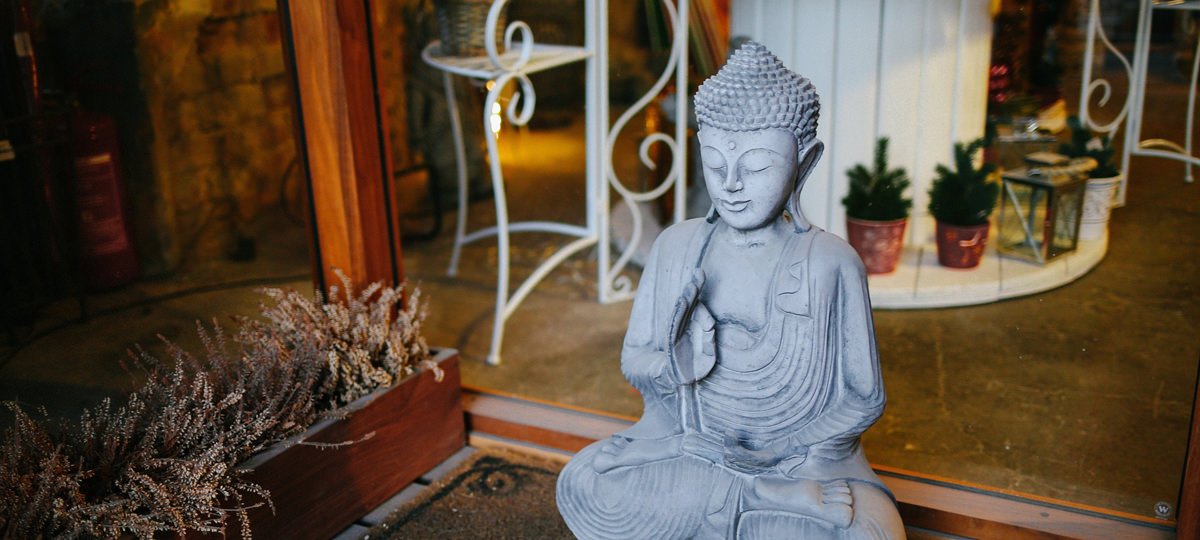
Guhyeshwari Temple
Guhyeshwari Temple is a Hindu temple that is believed to be one of the holiest temples in Kathmandu, Nepal. It is a remarkable pilgrimage site where the deity, Goddess Guhyeshwari or a form of Goddess Parvati or Adi Shakti is worshipped. The temple is located on the south side of the Bagmati River adjacent to the highly famous Pashupatinath Temple that is one of the most sacred temples of Lord Shiva. The fact that these two temples are closely located indicates the religious connection between Shiva and Shakti based on the Hinduism religion.
It has thousands of pilgrims in Nepal, India and such related countries who visit the temple every year with the hope of receiving blessings. In addition to its religious attributes, the temple is also the manifestation of the firm cultural and spiritual heritage of the Kathmandu Valley.
The Name Guhyeshwari has an Interpretation
Guhyeshwari is a Sanskrit word consisting of two words guhya and Ishwari. Guhya means a secret or a hidden spot and Ishwari is a female deity or a goddess. Together, it could also be understood as Hidden Goddess or Secret Goddess.
The section that is thought to have been displaced is the guhya (womb or reproductive organ) and it represents the creative force and the power of life that the goddess possesses. Due to these symbolisms, the temple holds special significance especially in Tantric worship whereby the feminine essence of the goddess is a highly respected one.
The History of the Guhyeshwari Temple
The chronology of the Guhyeshwari Temple is not well known it is believed that the temple is very old. This current structure was rebuilt during the 17 th century by King Pratap Malla who was one of the renowned rai of Kathmandu.
It was known that King Pratap Malla had favored religious institutions and temples were constructed in the Kathmandu Valley. His work preserved a lot of significant sites in cultural and religious aspects.
The temple is also majorly spoken of in history and religious books, as a great place of spirituality in Nepal. With time, it turned out to be among the most important temples which had their own worship and Tantric rituals related to Shakti.
The temple is nowadays a significant aspect of the Nepalese religious history and still receives pilgrims representing various regions of South Asia.
Mythological Significance
The legend of the Guhyeshwari Temple is related to the myth of Goddess Sati and Lord Shiva. Sati was the first wife of Lord Shiva, daughter of king Daksha and daughter of king Daksha according to Hindu mythology.
In this case, Sati did not tolerate the insult of Shiva when Daksha offended him in a great religious festival and threw herself into the sacred fire. Lord Shiva was very sorrowful and angry about this occurrence. Shiva took the body of Sati and started roaming around the universe in mourning.
To recover the balance, Lord Vishnu applied his Sudarshan Chakra to dissect Sati which resulted into fragmentation of her body. These pieces were scattered to various locations in the Indian subcontinent and each of these locations emerged as a sacred Shakti Peetha.
In most traditions, Guhyeshwari Temple is the location where a fragment of the body (womb or reproductive organ) of Sati dropped.
Architecture of the Guhyeshwari Temple
The Guhyeshwari Temple has been built in the typical Newar building design that is commonly popular in temples within the Kathmandu Valley. The temple is of pagoda kind which consists of tiers roofing and wooden carvings.
The temple is a small one yet the construction has a strong symbolism associated with it. The temple courtyard has some religious peculiarities on which the rituals and ceremonies were to take place.
It also has a sacred symbol instead of an ordinary statue located in the main shrine and thus an incarnation of the goddess. Some of the sections of the shrine have been decorated with metal and valuable materials used in the ritual worship.
The temple is surrounded by other smaller temples which are prayer places and sites where followers can prayer and perform rituals.
Connection with the Pashupatinath Temple
The fact that Hindus have the Guhyeshwari Temple which is related to the Pashupatinath Temple is one of the most interesting ones. The two temples stand near each other and this is symbolizing the imbalance between Shiva and Shakti.
Shiva in Hinduism is identified as a symbol of untainted mind and Shakti is the symbol of divine energy. The universe cannot operate without either of the two forces.
This is what makes majority of pilgrims feel they would not have seen Pashupatinath without seeing Guhyeshwari Temple. In a complete spiritual encounter, prayers normally are made by the devotees in both temples.
Festivals Celebrated at Guhyeshwari Temple
Various Hindu festivals are celebrated in the temple of Guhyeshwari at least once every year. The major ones of these are Navaratri and Dashain.
The temple is a spiritual center of Navaratri which is dedicated to Goddess Durga. The congregation gathers in order to offer light prayers and rituals and offering.
Large numbers of visitors also take place in the temple; this is as a result of the festival called Dashain, which is the biggest festival in Nepal. During this time, to receive a blessing of the goddess, several families visit in the process.
The temple is one of the components of Kathmandu cultural and religious life because other religious events and local jatras also happen in the temple.
Rituals were attended with worship offered to spirits in terms of offering and prayers, which were well run by the Spiritists.
Guhyeshwari Temple Location
The Guhyeshwari Temple is located in Kathmandu which is the capital of Nepal. It lies to the south of the Bagmati river which is a sacred river among the Hindu culture. The approximate distance between Pashupatinath Temple and this temple is one kilometer east.
It is very close to the Pashupatinath Temple and hence a great number of pilgrims come on the same pilgrimage. The followers have a tendency of believing that they are obliged to worship Shakti once again at Guhyeshwari and then they should go and worship Lord Shiva at Pashupatinath.
How to Reach from India
The Guhyeshwari Temple in Kathmandu is accessible in India through air, road or rail by Indian pilgrims. Another option that is better is to get on a direct flight that flies out of big cities in India that are inclusive of Delhi, Mumbai, Varanasi, or Kolkata, to Kathmandu Tribhuvan International Airport. The temple is between 5km and a taxi will be needed between 15-30 minutes to reach the airport.
The travelers also have access to Nepal by road, creating the border crossings such as Sunauli (near Gorakhpur) or Raxaul (near Bihar) and then driving the buses or taxis to Kathmandu, one way generally spending 7-10 hours in the process, depending on the path taken. The other alternative is to use a train to Gorakhpur or Raxaul in India and then get a road to Kathmandu.
Recent Trends in Pilgrimage and Tourism to Guhyeshwari Temple
Guhyeshwari Temple has gained new fame among spiritual travelers and pilgrims in last few years. Numerous tourists come to Kathmandu as the main purpose is to visit Pashupatinath Temple and include Guhyeshwari Temple in their program.
Spiritual tourism has helped in the development of interest in old temples and religious heritage places in Nepal. Indians are frequent visitors in the temple as part of religious tours that cover other holy sites in Nepal.
Cultural tours, social media posts and travel blogs have also contributed to the extent of spreading awareness regarding the temple. The interest of many visitors is to know how it is related to the Shakti worship and Tantric traditions.
Meanwhile, this does not imply that the temple has ceased its customary rituals and cultural tendencies, still retaining the spiritual place.
Visitor Experience
A visit to Guhyeshwari Temple tends to start with a walk or a drive around the Pashupatinath Temple which is a short distance. Entry to the temple is met with an exquisite courtyard where believers can congregate to pray.
Because the temple is a perfect Hindu shrine, only Hindu worshippers are normally allowed to get in the inner temple. It is open to tourists who do not follow Hinduism.
Compared to most temples that are usually busy in the city, the temples surrounding are peaceful. This quiet environment enables the visitors to give attention to prayer and spiritual reflection.
Most of the pilgrims have also taken their time along the Bagmati River, which is regarded as holy and associated with most of the Hindu practices.
Final Thoughts
Guhyeshwari Temple is a spiritual site in Nepal, which is considered to be very important. It is closely associated with the legend of Goddess Sati, it is a Shakti Peetha and is very closely associated with Pashupatinath Temple, making it very religiously important for Hindus in India alike.
The temple symbolizes the mighty female deity among the Hindus and is also a significant rite of worship between the Shakta and Tantric. Its centuries-old history, worship and cultural background makes it a highly respected pilgrimage site.
Guhyeshwari Temple nowadays remains one of the religious sites where pilgrims and spiritual travelers go to find blessings, peace and a more profound insight into Hindu spirituality. It is a significant section of the Nepal religious heritage due to its religious ambience, historical significance and cultural appeal.
FAQs on Guhyeshwari Temple
Guhyeshwari Temple is located in Kathmandu, Nepal, on the southern bank of the Bagmati River, very close to the famous Pashupatinath Temple.
It is considered a sacred Shakti Peetha, where a part of Goddess Sati is believed to have fallen, making it one of the most powerful spiritual sites dedicated to Goddess Shakti.
The name comes from Sanskrit—“Guhya” meaning secret or hidden and “Ishwari” meaning goddess, so it is often interpreted as “Hidden Goddess.”
Yes, both temples are closely linked spiritually, symbolizing the union of Lord Shiva and Goddess Shakti. Many pilgrims visit both temples together.
Only Hindus are typically allowed inside the main temple premises, while non-Hindu visitors can view the temple from outside.
Major festivals include Navaratri and Dashain, when large numbers of devotees gather for special rituals and prayers.
You can fly to Tribhuvan International Airport and reach the temple in 15–30 minutes by taxi. Road travel via Sunauli or Raxaul is also common.
The Bagmati River is considered sacred in Hinduism and plays an important role in rituals, including purification and last rites.
Photography is usually restricted inside the temple area due to religious sensitivity, so visitors should follow local guidelines.
Visitors can experience a quiet and spiritual atmosphere, traditional rituals, and a deep connection to Shakti worship, especially when combined with a visit to nearby temples.